
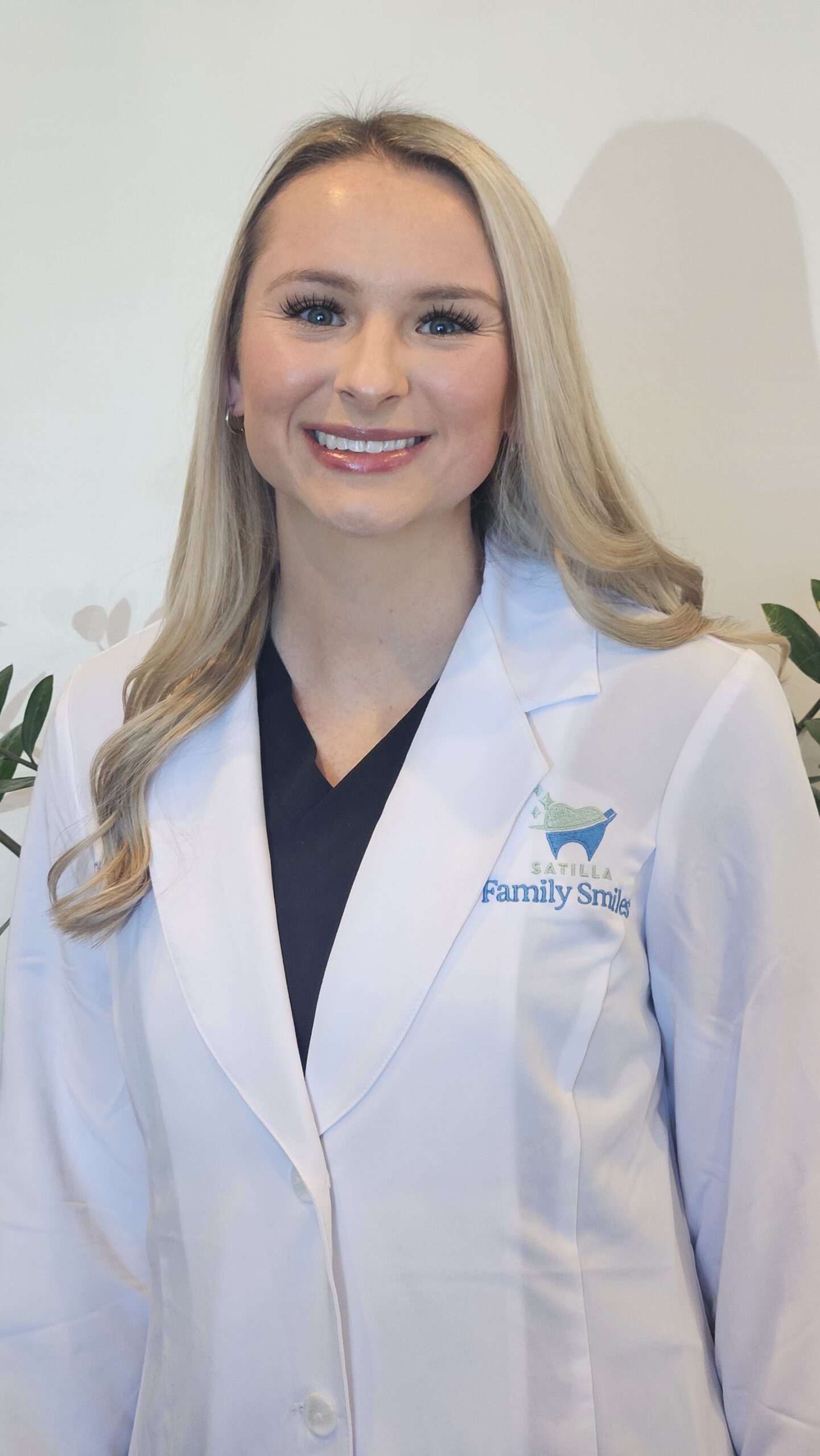
Medically Reviewed by Dr. Bailey Sisler, DMD on September 22, 2026
Sore, puffy gums that bleed when you brush are easy to chalk up to a bad night’s sleep or a rough flossing session. Yet, when tenderness lingers for weeks, it’s often a sign that plaque and bacteria have worked their way beneath the gumline, where a regular cleaning can’t reach. If left alone, that buildup can loosen the bone and tissue holding teeth in place.
At Satilla Family Smiles, scaling and root planing is one of the most common ways we help patients in Brunswick and surrounding areas get ahead of gum disease before it progresses further. The procedure is a deeper, more thorough version of a standard cleaning, and it is often the first step recommended after a periodontal evaluation. If you have been told you need this treatment, here is what the appointment actually involves, from the exam that leads up to it to the care that follows, and how our periodontal services fit into a broader plan for healthy gums.
How We Determine If You Need Scaling and Root Planing
Before recommending scaling and root planing, we complete a periodontal evaluation that measures the depth of the pockets between your teeth and gums. Healthy pockets typically measure a few millimeters. When those pockets deepen, it usually means bacteria have colonized below the gumline and calcified into hardened deposits called calculus, which a toothbrush isn’t capable of removing.
We also look for bleeding on probing, gum recession, and any bone loss visible on X-rays. These findings, combined with your symptoms, help us confirm whether you are dealing with gingivitis, which is often reversible, or periodontitis, which requires more targeted treatment. Scaling and root planing is typically recommended once pocket depths and bacterial buildup point to active periodontal disease rather than surface-level inflammation.
How to Prepare for Your Appointment
There is little special preparation required, but a few habits in the day or two beforehand can help. Avoiding coffee, tea, red wine, and tobacco for about 48 hours before your visit gives your gum tissue a slightly calmer starting point. Let our team know about any medications, health conditions, or concerns about anesthesia ahead of time so we can plan your appointment around your needs.
What Happens During the Procedure?
Scaling and root planing is typically completed in two stages, split across separate visits so each side of the mouth can be numbed and treated thoroughly. During scaling, we use fine instruments to remove plaque and calculus from the tooth surface and from beneath the gumline, where deposits tend to collect along the root.
Root planing follows immediately after, smoothing the root surface itself, which makes it harder for bacteria to reattach and gives your gum tissue a cleaner surface to heal against. Patients receive a local anesthetic beforehand, so the sensation is closer to steady pressure than pain. A typical appointment for one section of the mouth runs longer than a standard cleaning, usually taking about an hour depending on how much buildup needs to be addressed.
Recovery in the Days After Treatment
Mild soreness, tooth sensitivity, and slight gum swelling are common for a few days after each session. Most patients find that switching to a soft-food diet and rinsing gently with warm salt water helps the tissue settle. We may also recommend an antimicrobial rinse if pockets were especially deep. Bleeding or discomfort that does not improve after a few days should be reported to our office.
Research continues to support scaling and root planing as an effective nonsurgical treatment for periodontal disease. A study published through the National Institutes of Health found that patients who received scaling and root planing had a much lower risk of certain health complications linked to untreated periodontitis, reinforcing why timely treatment matters beyond the mouth alone. Guidance from the American Dental Association similarly recommends scaling and root planing as an initial treatment for patients with active gum disease.
Benefits and What to Watch For
Beyond addressing the immediate buildup, scaling and root planing can reduce bad breath linked to bacterial activity, lower the risk of further bone loss, and help gum tissue reattach more securely to the tooth. As with any dental procedure, mild bleeding, temporary sensitivity, and short-term gum recession as swelling subsides are possible, though these effects are generally minor and resolve on their own within a week or two.
Maintaining Results After Treatment
Scaling and root planing addresses the buildup that has already accumulated, but keeping periodontal disease from returning depends on consistent follow-up care. We schedule periodontal maintenance visits more frequently than a standard six month cleaning, since gum tissue affected by periodontitis needs closer monitoring to stay stable.
Good home care plays a role too. We generally recommend the following habits between visits to help protect the results of your treatment:
- Brush twice daily with a soft-bristled brush, holding it at a slight angle toward the gumline.
- Floss once a day, curving the floss gently around each tooth rather than snapping it straight down.
- Use an antimicrobial mouth rinse if one has been recommended for your specific case.
- Keep every scheduled periodontal maintenance visit, even once symptoms improve.
Sticking to these habits, paired with regular visits and routine dental exams and cleanings, gives your gums the best chance of staying stable long after your last appointment.
Scaling and Root Planing at Satilla Family Smiles
Dr. Bailey Sisler brings a patient-first approach to periodontal care, shaped in part by her volunteer work providing dental treatment to underserved communities both in Pittsburgh and abroad in Jamaica. That same attentiveness carries into every periodontal evaluation at our Brunswick office, where we take the time to explain pocket depth readings and treatment options before moving forward with scaling and root planing. Patients enrolled in our Elite Dental Savings Plan periodontal plan receive a reduced rate on scaling and root planing along with routine periodontal maintenance, and we also accept CareCredit, Cherry, and Sunbit financing for patients who prefer to spread out the cost of treatment.
If your gums have felt tender, swollen, or are prone to bleeding, waiting seldom makes the problem disappear. You can learn more about Dr. Sisler’s background on our website, and when you are ready, our team is ready to help you schedule a visit through our online appointment form.
Frequently Asked Questions About Scaling and Root Planing
Does scaling and root planing hurt?
A local anesthetic is used beforehand, so most patients feel steady pressure rather than pain during the procedure. Mild soreness and sensitivity for a few days afterward are common and typically manageable with over-the-counter pain relief.
How many visits does scaling and root planing take?
Treatment is typically split into two appointments, with one side of the mouth treated at each visit. This allows each side to be numbed and thoroughly cleaned without treating the entire mouth in a single long session.
Will I need scaling and root planing more than once?
Ideally, scaling and root planing addresses the buildup once, and consistent periodontal maintenance visits afterward help keep it from returning. If disease activity recurs, additional treatment may be needed.
What is the difference between scaling and root planing and a regular cleaning?
A regular cleaning addresses the visible tooth surfaces above the gumline for patients with healthy gums. Scaling and root planing reaches below the gumline to remove bacterial deposits and smooth root surfaces, and it is reserved for patients showing signs of active gum disease.
What can I eat after scaling and root planing?
A soft-food diet for the first day or two is usually most comfortable while numbness wears off and gum tissue settles. Rinsing gently with warm salt water can also help soothe the area during recovery.
About the Author
Dentist, Satilla Family Smiles
Dr. Bailey Sisler is a triple alumna of the University of Pittsburgh, where she earned her Doctor of Dental Medicine, a Master of Science in Biomedical Science, and a Bachelor of Science in Biology graduating Magna Cum Laude. She is an active member of the American Dental Association and has provided volunteer dental care to underserved communities in Pittsburgh and Jamaica.